How to Prepare Your Home for a Professional Paint Crew
You selected your colors, approved the estimate, and scheduled the project. Now you need to prepare your home for the painting crew.
A little planning before the crew arrives supports a more efficient workflow. It also protects valuables, reduces interruptions, and helps your household maintain its normal routine during the project.
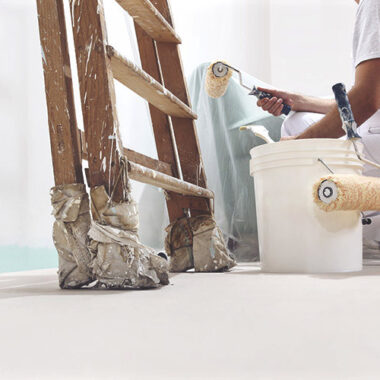
You do not need to prepare the walls, cover every floor, or move every heavy piece of furniture yourself. A professional painting contractor should manage surface preparation, masking, floor protection, dust control, and the painting process.
Your role focuses on household access, personal belongings, pets, security, and decisions only you should make.
Here is how to prepare your home for a professional paint crew.
Start With a Walkthrough Before Painting Begins
The best preparation starts with a conversation.
Walk through the project area with your painting contractor before the scheduled start date. Confirm which rooms, surfaces, doors, cabinets, trim, ceilings, and exterior features belong within the approved scope.
Discuss:
- The crew’s expected arrival and departure times
- The order in which rooms or exterior sections will receive work
- Which entrances the crew will use
- Where workers will place equipment and materials
- Which rooms must remain available to your household
- Whether you will stay in the home during the work
- How the crew will secure the property at the end of each day
- Who will answer questions and approve minor decisions
A short walkthrough often prevents misunderstandings later.
For remodel projects, scheduling also depends on the work of flooring installers, carpenters, electricians, plumbers, and other trades. Our guide to scheduling interior painting during a remodel explains how those steps fit together.
Ask What the Painting Crew Will Move
Homeowners often assume they must empty each room before painters arrive. That is not always necessary.
Ask your contractor which items the crew will move and which items you should handle.
Professional painters often move standard furniture toward the center of a room and protect it before work begins. Large, delicate, valuable, or mechanically complex items need separate planning.
These items often require homeowner attention:
- Antiques
- Sculptures and artwork
- Glass tables
- Pianos
- Aquariums
- Electronics
- Motorized furniture
- Custom window treatments
- Fragile lamps
- Collectible objects
- Medical equipment
Do not attempt to move heavy furniture without help. Instead, tell the contractor about each difficult item during the walkthrough.
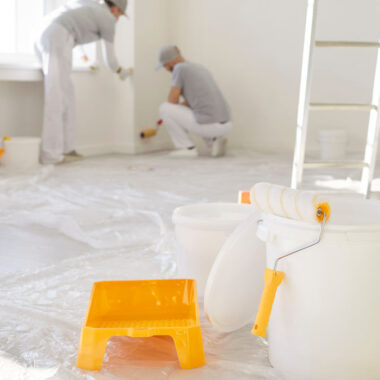
Tilo Martin Painting’s professional interior painting services include protection for floors, furniture, and surrounding areas before sanding or painting begins.
Remove Wall Art, Decorations, and Fragile Objects
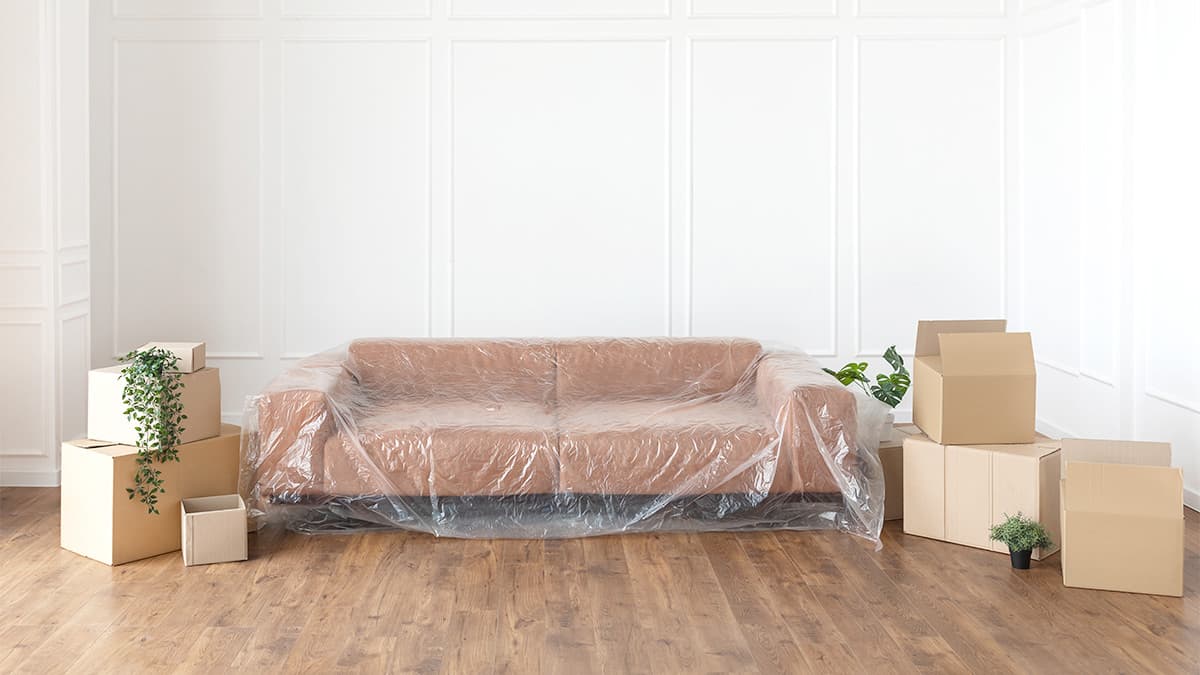
Remove paintings, photographs, mirrors, clocks, decorative shelves, and other wall-mounted objects from the project area.
Store them in a room outside the work zone rather than stacking them against a nearby wall.
Also remove:
- Small decorative objects
- Tabletop picture frames
- Books placed near painted surfaces
- Fragile lamps
- Loose window decorations
- Items resting on mantels
- Valuable objects inside open shelving
- Hanging plants
Painters need room to work around walls, ceilings, trim, doors, and windows. Removing small objects also protects them from dust, vibration, and accidental contact.
Before removing wall art, ask whether you plan to reinstall each piece in the same location. Painters need to know which nail holes should remain and which ones need patching.
Use small pieces of painter’s tape to mark holes you want to keep.
Protect Jewelry, Documents, and Personal Valuables
Move jewelry, cash, medications, personal documents, keys, small electronics, and sentimental objects out of the work area.
This step does not reflect mistrust. It prevents an important item from being moved, covered, misplaced, or mixed with household objects during room preparation.
Keep sensitive documents and valuables in:
- A locked cabinet
- A safe
- A room outside the project
- An off-site location
Also remove financial papers, medical records, client files, and other private information from home offices receiving paint.
Decide Which Rooms Must Stay Available
An occupied painting project works best when the crew and household agree on room access.
Identify the spaces your family needs each day, such as:
- A primary bedroom
- A bathroom
- The kitchen
- A child’s room
- A home office
- A pet feeding area
- An accessible entrance
Your contractor might sequence the project so one part of the home stays usable while another receives work.
For larger interior projects, choose a temporary household base away from the work zone. Keep chargers, medications, school supplies, pet items, and daily necessities there.
Avoid searching through covered rooms after work starts.
Prepare Children and Pets for the Project

Painting changes a home’s normal sounds, smells, pathways, and routines.
Dogs might react to unfamiliar workers or open doors. Cats might hide behind furniture, enter a work zone, or escape through an exterior entrance. Young children might touch equipment, wet surfaces, or protective coverings.
Before the crew arrives:
- Choose a secure room for pets
- Arrange daycare or off-site care when needed
- Move food and water bowls away from work areas
- Tell the crew where pets stay
- Place a note on doors that must remain closed
- Keep children away from ladders, tools, materials, and wet paint
- Confirm which entrances workers will use
For extensive projects, boarding pets or having them stay with a trusted person often reduces stress for both the animals and the household.
Give the Crew Reliable Access
Decide how the painting crew will enter the property each morning.
You might:
- Meet the crew at the start of each workday
- Provide a temporary access code
- Leave a key in a secure lockbox
- Arrange access through a household manager
- Coordinate entry with a building manager or security desk
Tell your contractor about:
- Alarm systems
- Security cameras
- Automatic gates
- Restricted parking
- Building access requirements
- Elevator reservations
- HOA rules
- Street-cleaning schedules
- Permit or loading restrictions
Update temporary access codes after the project ends.
Make Room for Tools and Materials
Ask where the crew plans to place ladders, tools, paint, coverings, and other materials.
A garage, protected patio, utility space, or another agreed location often works well. The storage area should remain accessible without disrupting your household.
Remove personal items from the selected area before the project starts.
Do not place paint or equipment where children or pets have access.
Discuss Wall Repairs Before the First Coat
Point out stains, cracks, dents, water damage, peeling areas, failed caulk, and other surface concerns during the initial walkthrough.
Do not assume fresh paint will hide them.
Professional preparation might include:
- Filling nail holes
- Repairing cracks
- Sanding rough surfaces
- Removing loose coatings
- Caulking gaps
- Spot priming
- Addressing stains
- Repairing damaged drywall or plaster
Water stains deserve special attention. The moisture source should receive attention before painting begins.
Also identify areas where you want old hardware, hooks, anchors, television mounts, or shelving removed. Late requests often interrupt the sequence and create added patching.
Prepare Kitchens, Bathrooms, and Built-Ins
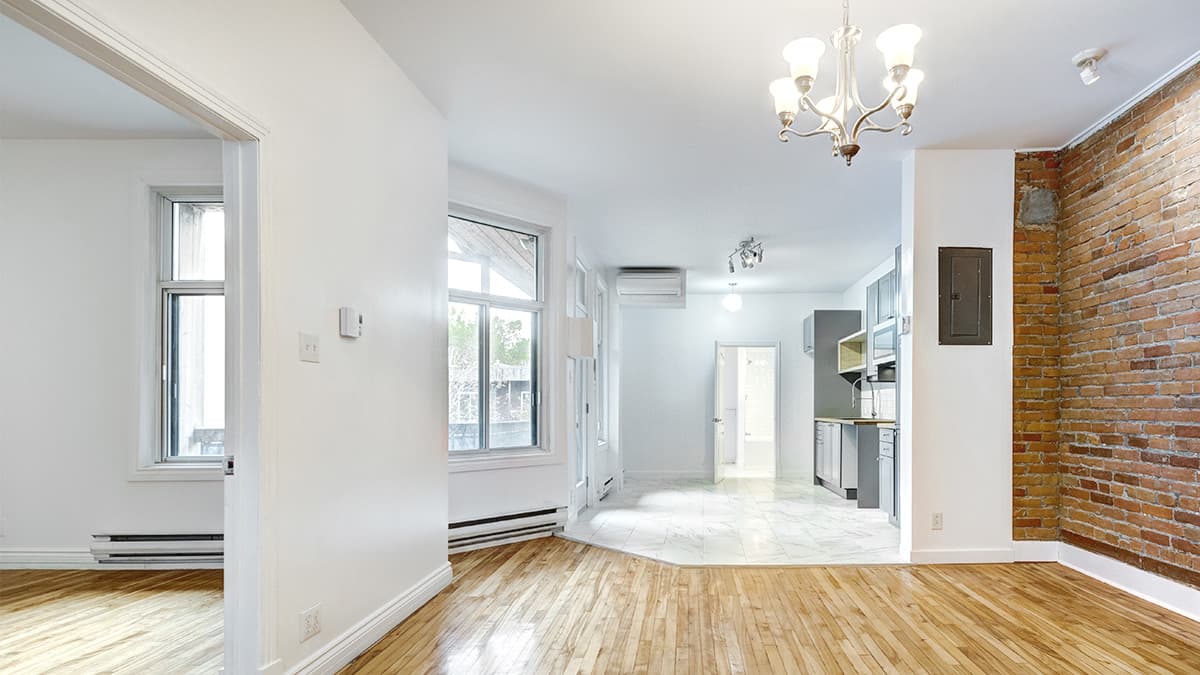
Painting kitchens and bathrooms requires more than moving furniture.
For kitchen projects:
- Remove countertop appliances
- Put away food and utensils near work areas
- Empty open shelving
- Remove items from cabinet interiors included in the scope
- Confirm whether cabinet doors and drawers will receive work
- Identify appliances the crew should not move
For bathrooms:
- Remove toiletries
- Store towels and bathmats
- Empty medicine cabinets included in the project
- Move personal care devices
- Remove items from shower ledges and countertops
For built-ins and bookcases, ask whether the crew needs each section emptied. Interior surfaces require full access. Exterior-only painting often needs less preparation.
Plan for Ventilation and Indoor Air Quality
Discuss ventilation before interior painting begins, especially when family members will remain home.
Your contractor should consider the coating type, room layout, weather, drying requirements, and household sensitivity.
The EPA recommends increased ventilation during work involving products that release volatile organic compounds. Its remodeling guidance also discusses continued ventilation after paints and finishes are applied. Review the EPA’s indoor air quality guidance for home remodeling.
California also regulates VOC emissions from architectural coatings through local air districts, with guidance from the California Air Resources Board Architectural Coatings Program.
Ask your painter about coating options when:
- Children live in the home
- Someone has respiratory sensitivities
- The home will remain occupied
- Ventilation is limited
- A room must return to service soon
Low-VOC products form one part of the decision. Surface type, durability, sheen, finish quality, and manufacturer requirements also matter.
Account for Wildfire Smoke and Poor Outdoor Air
Los Angeles weather often supports good painting conditions, but outdoor air quality still affects project planning.
Opening windows for ventilation makes little sense during periods of wildfire smoke or poor outdoor air. Ready.gov advises closing windows and doors during smoky conditions and reducing indoor pollution exposure. Review federal wildfire preparedness guidance when smoke affects the area.
Tell your contractor about any household air-quality concerns before work begins. The crew might adjust the schedule, product selection, containment plan, or ventilation method.
Check Older Homes for Lead-Safe Requirements
Homes built before 1978 need added attention when work disturbs existing painted surfaces.
The EPA’s Renovation, Repair and Painting Rule covers contractors working in many pre-1978 homes and child-occupied facilities. It requires covered firms to follow lead-safe certification, containment, work, and cleanup requirements.
Homeowners should discuss the age of the property and any prior lead testing before sanding, scraping, cutting, or removing old painted materials.
Review the EPA Lead Renovation, Repair and Painting Program for homeowner guidance.
How to Prepare for Exterior Painting
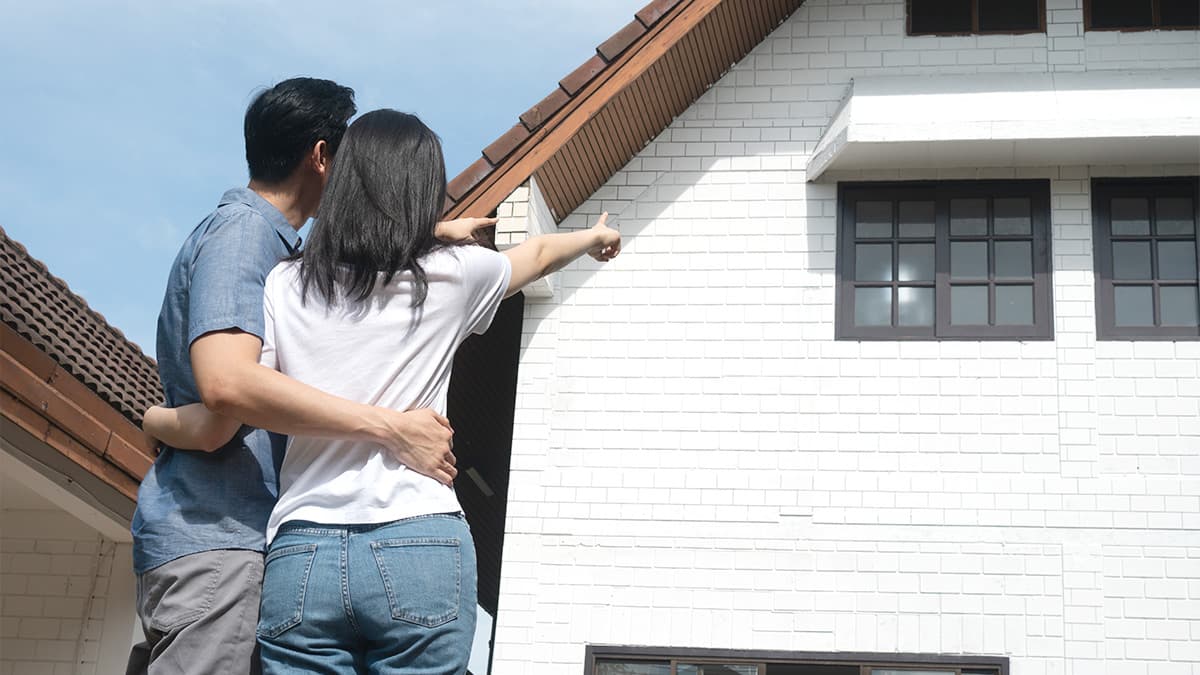
Exterior projects require a different checklist.
Before the crew arrives:
- Move vehicles away from the house
- Remove patio furniture near work areas
- Take down hanging decorations
- Move grills and portable fire features
- Store outdoor toys
- Remove fragile planters
- Unlock gates
- Trim vegetation blocking painted surfaces
- Identify irrigation lines and landscape lighting
- Close windows
- Remove or secure window screens when requested
- Tell the crew about loose railings, damaged steps, or unstable surfaces
Turn off automatic sprinklers before preparation and painting begin. Moisture from irrigation interferes with surface preparation and drying.
Do not cut mature landscaping without first discussing access needs. Painters often use coverings, ties, and other methods to protect plants while reaching the surface.
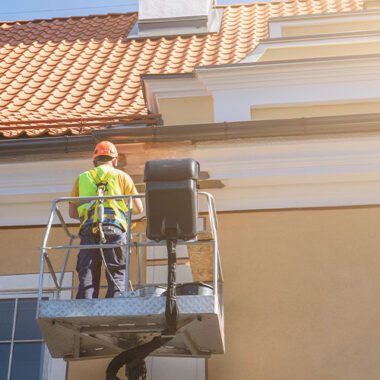
Tilo Martin Painting’s exterior painting services include surface preparation, protection of adjacent areas, and jobsite cleanup.
Tell Your Neighbors About Exterior Work
Exterior painting sometimes involves ladders, scaffolding, equipment deliveries, and temporary activity near property lines.
Notify neighbors when:
- Homes sit close together
- Workers need access near a shared driveway
- Equipment will stand near a boundary
- Parking is limited
- An HOA regulates work hours
- The property shares gates or walkways
A brief notice prevents avoidable conflicts on the first morning.
Plan for Daily Cleanup and Household Communication
Ask what the home will look like at the end of each workday.
Discuss:
- Where tools and materials will remain
- Which rooms will reopen
- Whether doors and windows will stay open
- How wet surfaces will be marked
- Which entrances remain available
- Whether alarms should be reset
- Who will provide a daily update
Choose one household contact for questions and approvals. Too many decision-makers often produce conflicting directions.
A professional crew should maintain an organized work area, remove debris, and protect the property throughout the project. Tilo Martin Painting emphasizes careful preparation, tidy jobsites, and direct communication across its Westside Los Angeles painting services.
What Not to Do Before Painters Arrive
Avoid creating extra work by completing preparation tasks without discussing them first.
Do not:
- Patch walls with an unknown product
- Apply primer to random areas
- Wash walls immediately before painting
- Use silicone caulk on surfaces receiving paint
- Remove hardware the crew planned to label
- Stack fragile objects inside the work area
- Move heavy furniture alone
- Schedule overlapping contractors without coordination
- Leave pets loose near open doors
- Make major color or scope changes on the first morning
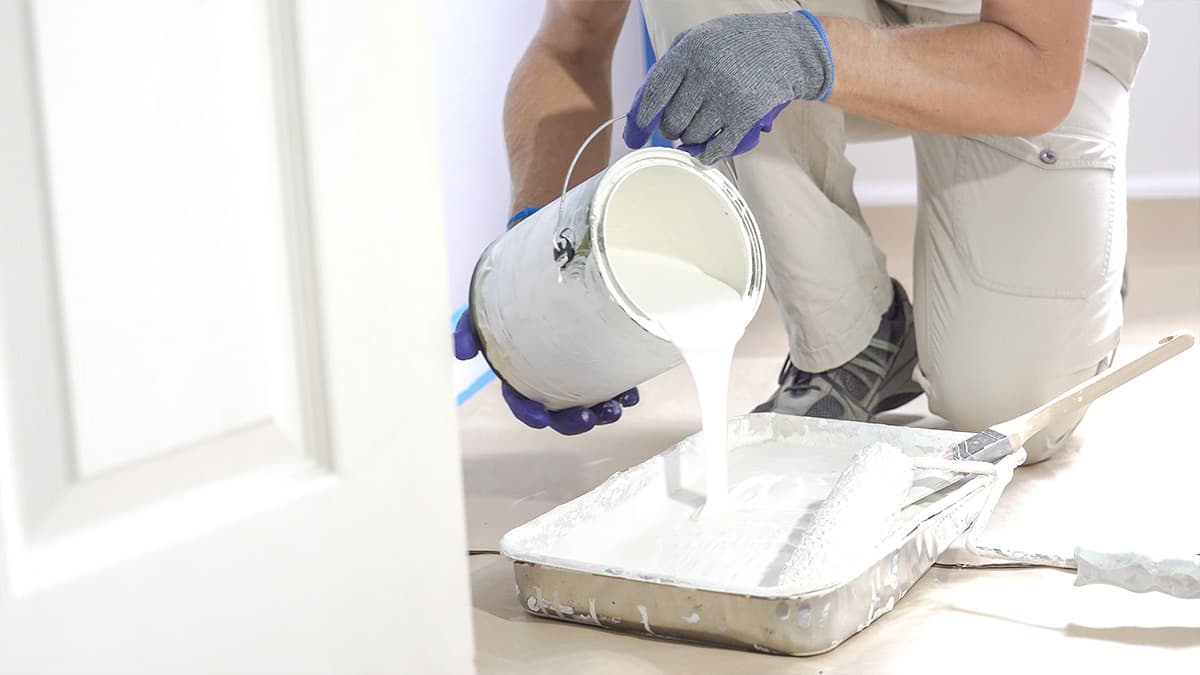
Ask the painter before preparing any surface yourself. The wrong filler, primer, cleaner, or caulk sometimes creates adhesion and finish problems.
Professional Paint Crew Preparation Checklist
Use this checklist before the project begins.
Interior Painting Checklist
- Confirm the scope and schedule
- Identify rooms your household needs each day
- Remove artwork and wall decorations
- Mark nail holes you want to keep
- Store valuables and private documents
- Remove small and fragile objects
- Empty shelves, cabinets, or closets included in the scope
- Arrange a secure place for pets
- Plan access and alarm procedures
- Discuss ventilation
- Identify repairs and stains
- Confirm furniture-moving responsibilities
- Choose one household contact
Exterior Painting Checklist
- Move vehicles
- Unlock gates
- Remove patio furniture and decorations
- Store grills, toys, and fragile planters
- Trim vegetation blocking access
- Turn off irrigation
- Close windows
- Identify landscape lighting and irrigation lines
- Discuss neighbor or HOA requirements
- Confirm equipment and material storage
- Report unstable steps, railings, or surfaces
Frequently Asked Questions
A Well-Prepared Home Supports a Better Painting Project
Preparing for painters does not mean doing the painter’s work.
Your most useful tasks involve removing personal objects, protecting valuables, arranging access, planning for pets, and communicating household needs before the crew arrives.
The painting contractor should take responsibility for professional surface preparation, protection, application, and cleanup.
If you are planning an interior or exterior painting project in Los Angeles, Bel Air, or the West Side, request a painting estimate with Tilo Martin Painting. We will review your home, discuss the project sequence, and help you prepare for an organized painting process.