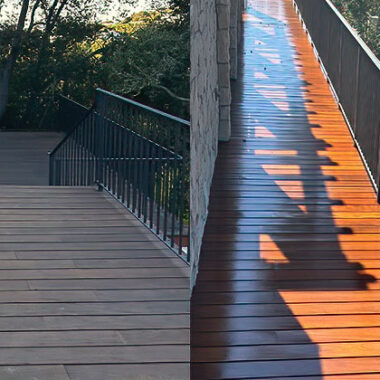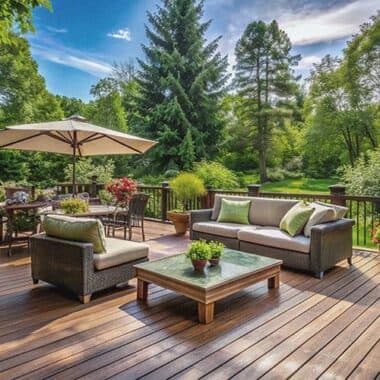
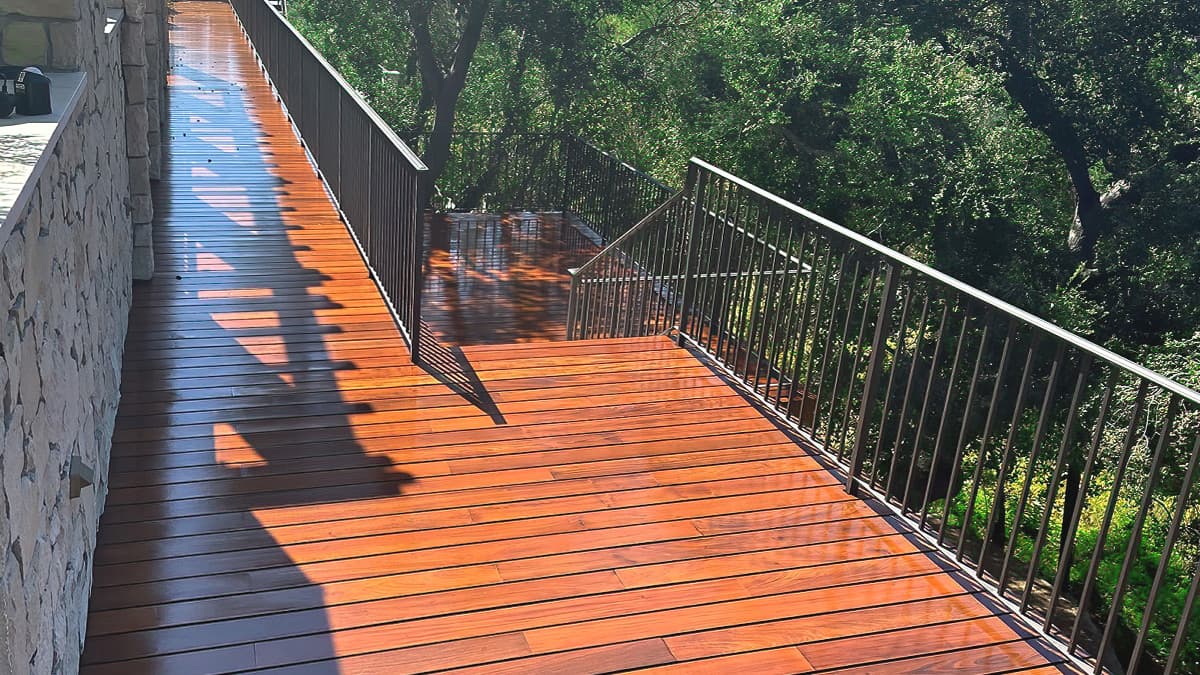
When Teak and IPE Decks Need Refinishing in Coastal Los Angeles
Teak and IPE are known for strength, density, and long-term exterior performance. In coastal Los Angeles, though, even these hardwoods need attention. Sun, salt air, marine moisture, and heat do not ruin a deck overnight, but they slowly change the surface. Color fades. Grain dries out. Water stops behaving the way it should. The finish begins to lose consistency.
For homeowners in Malibu and Pacific Palisades, the main issue is not whether teak and IPE need maintenance. They do. The real question is when refinishing should happen so the wood still looks rich, performs well, and avoids deeper deterioration.
Coastal exposure changes the timing
Exterior hardwood surfaces near the coast age differently from similar surfaces farther inland. UV exposure, salt in the air, morning moisture, and stronger seasonal swings all affect how teak and IPE weather. For broader background on weathering and finish durability, the USDA guidance on exterior wood finishing and weathering offers helpful technical context. Large open decks, ocean-facing railings, gates, furniture, and other exposed architectural wood surfaces usually wear faster than protected areas.
This is why teak and IPE deck refinishing in Malibu often depends less on age alone and more on exposure. Two decks installed at the same time can look very different a year later if one gets full afternoon sun and marine air while the other stays partially shaded and more protected.
Early signs your teak or IPE surfaces need refinishing
The first warning signs are often visual. The USDA Forest Products Laboratory deck-finishing guidance is a useful reference for how exterior wood surfaces weather and why finish performance changes over time. Color becomes uneven. Some boards fade faster than others. The surface starts looking dry, dull, or washed out. In stronger light, the finish may appear patchy rather than consistent.
Water behavior is another clue. If moisture no longer beads or disperses evenly, the surface protection is weakening. You may also notice raised grain, minor checking, or areas that feel rougher underfoot. On gates, furniture, or detailed exterior wood elements, edges and horizontal surfaces often show wear first.
These are usually the best moments to act. Once the wood has moved from normal weathering into deeper dryness, staining inconsistency, or surface damage, refinishing takes more correction and the results can become less predictable.
Is gray weathering always a problem?
Not always. Teak and IPE often shift toward a gray or silver tone as they weather outdoors. Some homeowners accept that look. Others want to preserve a warmer, more finished appearance.
Graying alone does not always mean the wood is failing. It often means the surface has oxidized and the original look has faded. The concern begins when the weathering becomes uneven, the wood feels dry, the texture changes, or water absorption suggests the surface is no longer well protected.
In other words, gray weathering is not always damage, but it is often a sign that the surface is moving away from its best condition.
Teak and IPE do not always need the same approach
These woods are often grouped together, but refinishing strategy depends on the substrate, prior treatments, exposure, and desired appearance. IPE is extremely dense and reacts differently from softer exterior woods. Teak has its own oil content and weathering pattern. Some surfaces respond well to penetrating oil systems. Others need a different finishing approach based on how the material has aged and how the homeowner wants it to look.
That is why a teak and IPE maintenance guide should never be reduced to a one-size-fits-all answer. Before refinishing begins, the surface condition, sun exposure, prior coatings, and surrounding environment all need to be assessed carefully.
Why timing matters before summer
Late spring and early summer are often the point when homeowners start focusing on decks, terraces, and outdoor living areas. That is also when neglected wear becomes easier to see. Once stronger sun and regular use return, faded boards, inconsistent color, and dry-looking hardwood surfaces stand out more. California homeowners tracking seasonal exposure can also review the EPA monthly average UV Index maps for added climate context.
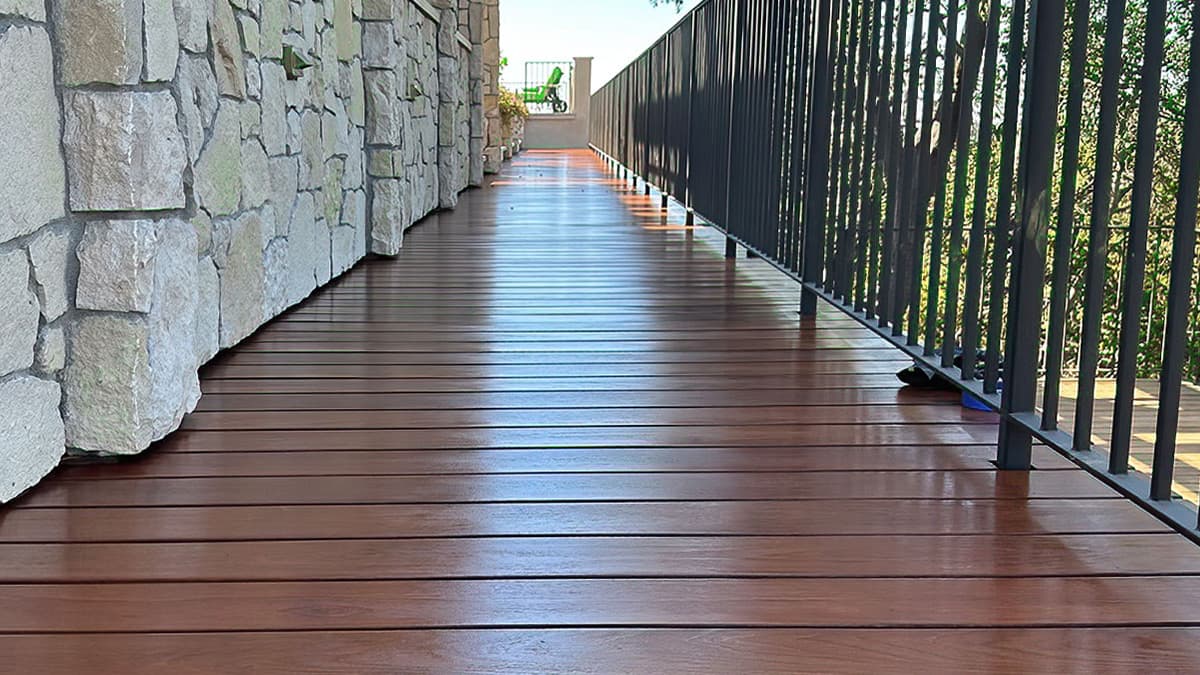
For many coastal properties, refinishing before peak summer use helps preserve appearance and gives the surface a better chance to perform through the brighter, more exposed months. Waiting too long does not always create major failure, but it often means the wood enters the harshest part of the season already stressed.
When should exterior hardwood surfaces be refinished?
There is no universal calendar that fits every project. Some surfaces need attention sooner because they face direct sun, salt air, and open exposure. Others hold up longer because they are partially covered or less exposed to traffic and moisture.
In practical terms, the best time to refinish is when the wood first shows visible dryness, uneven fading, weak surface protection, or roughening, but before deeper damage develops. For many homes in Malibu and Pacific Palisades, that means evaluating exterior hardwood surfaces before summer and again after periods of stronger exposure.
Professional evaluation matters with premium exterior wood
Premium hardwood surfaces deserve a careful plan. A rushed treatment or the wrong product choice can leave the wood darker than expected, uneven in absorption, or harder to maintain later. Homeowners comparing service options can also review Teak & IPE Refinishing and see examples in Teak Restoration Projects and IPE Deck Restoration, California. Proper refinishing depends on cleaning, surface preparation, moisture conditions, product selection, and timing.
For homeowners searching for IPE refinishing in Pacific Palisades, teak deck restoration in Malibu, or broader coastal wood refinishing in Los Angeles, the goal should be preservation first. A well-timed refinishing project helps protect the investment, maintain the appearance of the property, and extend the life of exterior wood surfaces that take constant coastal exposure.
Teak and IPE Decks Refinishing FAQ
If your teak or IPE surfaces are losing color, drying out, or looking uneven, request a refinishing estimate with Tilo Martin Painting.