When to Repaint or Restore a House Exterior in Pacific Palisades
Pacific Palisades has changed dramatically since the January 2025 Palisades Fire, and many homes were damaged or destroyed. For homes that remain, for properties being repaired or restored, and for homeowners planning repainting as part of post-fire recovery or long-term maintenance, exterior protection still matters.
Strong sun. Coastal moisture. Wind. Salt in the air. Shifting temperatures. Fine dust. Over time, all of it works against painted surfaces.
A well-painted home can look sharp for years. Still, no exterior coating lasts forever. The key is knowing when normal aging turns into a maintenance issue.
If you are wondering when to repaint or restore a house exterior in Pacific Palisades, the answer depends on more than the calendar. You need to look at exposure, surface type, current paint condition, and how well the last job was prepared.
This guide explains what to watch for, when repainting makes sense, and when restoration work should come first.
Why Pacific Palisades Homes Need Closer Exterior Monitoring
External references worth reviewing as background include the EPA lead-safe renovation guidance, the California Air Resources Board architectural coatings guidance, and the USDA Forest Products Laboratory guidance on exterior wood finishes.
For homeowners comparing options for exterior painting in Pacific Palisades, this is one of the first realities to understand.
Exterior paint in Pacific Palisades often ages faster than homeowners expect. The reason is simple: coastal conditions are hard on finishes; UV exposure breaks down color and binders. Salt air settles on surfaces and adds stress over time. Moisture can work into vulnerable areas around trim, joints, and edges. Wind carries dust and debris that wear down exposed paint films.
On higher-end homes, the issue is not only protection. Appearance matters too. Even early fading, dullness, or uneven wear can affect the overall look of the property.
That is why exterior painting in Pacific Palisades should be treated as both protection and preservation.
How Often Should a House Be Repainted in Pacific Palisades?
There is no single repaint schedule for every home.
In general, many homes need repainting somewhere in the range of 5 to 10 years. Some surfaces last longer. Others need attention sooner.
A few factors shape the timeline:
- South- and west-facing walls often wear out faster because they take more sun
- Trim, railings, doors, and detailed woodwork often fail before larger wall areas
- Homes closer to the coast tend to face more salt-air exposure
- Darker colors can show fading sooner
- Older paint jobs with weak prep work often break down early
- Wood surfaces usually need closer maintenance than stucco or some composite materials
The better question is not only how many years have passed. The better question is this: what is the paint telling you now?
Early Signs It Is Time to Repaint
Most homes do not go from good condition to full failure overnight. They show warning signs first.
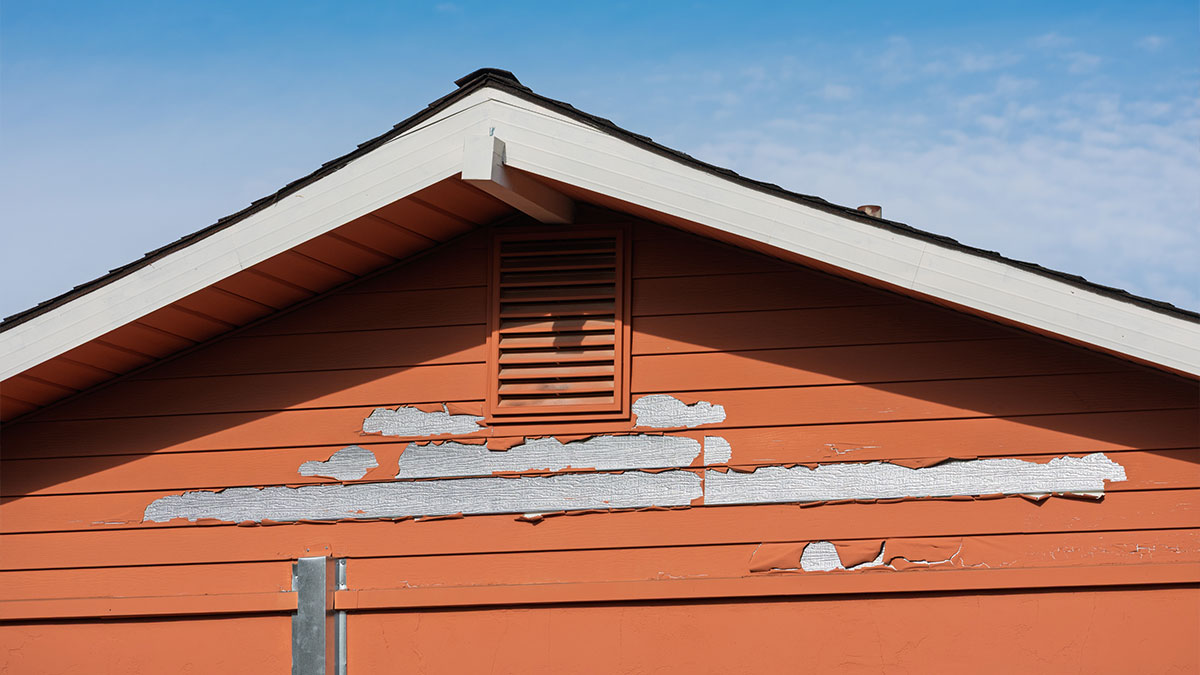
Here are the most common ones.
Fading and Loss of Rich Color
Fading is often the first thing homeowners notice. In Pacific Palisades, sun exposure can flatten color and reduce the clean, finished look of the home. This is especially noticeable on darker paints and surfaces with full-day exposure. If the finish looks tired, chalky, or uneven, it is worth taking seriously.
Chalking
Run your hand across the painted surface. If you see a fine powdery residue, the paint film may be breaking down. Chalking is a common sign of aging exterior coatings. This does not always mean immediate failure, but it often means the finish is nearing the point where repainting should be planned.
Cracking, Peeling, or Flaking
This is the sign that the protective layer is no longer doing its job. Once paint starts peeling or flaking, exposed material underneath becomes more vulnerable to moisture and damage. At that point, the project becomes more than cosmetic.
Exposed Wood or Bare Spots
If wood is starting to show through, do not wait too long. Bare areas can absorb moisture, dry unevenly, and begin to deteriorate. Early repainting usually costs less than waiting for deeper repairs.
Caulk Failure Around Trim and Openings
Sometimes the issue is not the paint film alone. Check areas around windows, doors, joints, and trim details. If the caulk is splitting, shrinking, or pulling away, moisture can get in. A repaint project is often the right time to correct these vulnerable areas.
Uneven Sheen or Patchy Finish
A house can still have color on the walls and still be due for repainting. Patchiness, inconsistent sheen, and visible wear in high-exposure sections often signal that the coating is losing integrity.
On premium homes, these visual signs matter.
Does Coastal Air Shorten Paint Life?
Yes, it often does. Coastal air does not damage every home in the same way, but it adds stress to exterior surfaces. Salt, moisture, and wind create a harsher environment than many inland neighborhoods.
That is one reason repaint house exterior Pacific Palisades searches often come from homeowners who feel their paint aged faster than expected.
The closer your property is to ocean exposure, the more important regular inspection becomes.
Is Spring a Good Time to Repaint in Pacific Palisades?
Spring is often a strong time to plan an exterior project. The weather is usually more stable than winter, and many homeowners want the home looking its best before summer use, outdoor entertaining, or seasonal market activity.
More important than the season alone is the condition of the surface and the quality of preparation.
A proper project starts with inspection, cleaning, prep, repair where needed, and product selection that fits the surface and exposure.
Should You Repaint Before Peeling Starts?
In many cases, yes. This is one of the smartest ways to protect the home.
If you repaint while the coating is aging but before major failure, the project is often more straightforward. Prep is cleaner. Repairs are smaller. The surface is easier to stabilize.
Waiting until visible peeling spreads can raise the scope and the cost. That is why coastal home exterior paint maintenance works best when it is proactive.
A Practical Rule for Pacific Palisades Homeowners
Walk the property at least twice a year. Look closely at:
- Sunny elevations
- Trim and fascia
- Window surrounds
- Doors and garage doors
- Railings and gates
- Areas where water sits or runs off
- Lower sections exposed to dirt and splashback
If you see fading, chalking, cracking, bare spots, or failing caulk, it is time to schedule a professional evaluation.
Protecting the Finish and the Value of Your Home
Knowing when to repaint or restore a house exterior in Pacific Palisades is not about chasing a fixed number of years.
It is about reading the surfaces, understanding the local environment, and acting before small issues turn into bigger ones.
For homes that remain, and for properties moving through repair or recovery, the right exterior plan helps protect the structure, support appearance, and preserve long-term value.
If your exterior is showing wear, fading, early failure, or signs of post-fire recovery needs, request a painting estimate with Tilo Martin Painting to assess the condition and discuss the right timing for repainting, restoration, and exterior protection.
Pacific Palisades Exterior Painting and Restoration Questions
You can also learn more about Tilo Martin Painting or contact the team to discuss a specific property, restoration scope, or repainting plan.