
When to Schedule Interior Painting During a Remodel
Interior painting during a remodel is not a finishing detail to squeeze in whenever the walls look ready. On high-end residential projects in Bel Air and Brentwood, timing affects surface quality, cleanliness, scheduling, and how much rework follows after other trades leave the room.
When painting starts too early, dust from sanding, drilling, flooring, stone work, or final fixture installation often lands on fresh surfaces. When it starts too late, the project loses momentum and painters are pushed into a rushed closeout stage filled with punch-list touchups. Neither approach serves the homeowner, the designer, or the contractor.
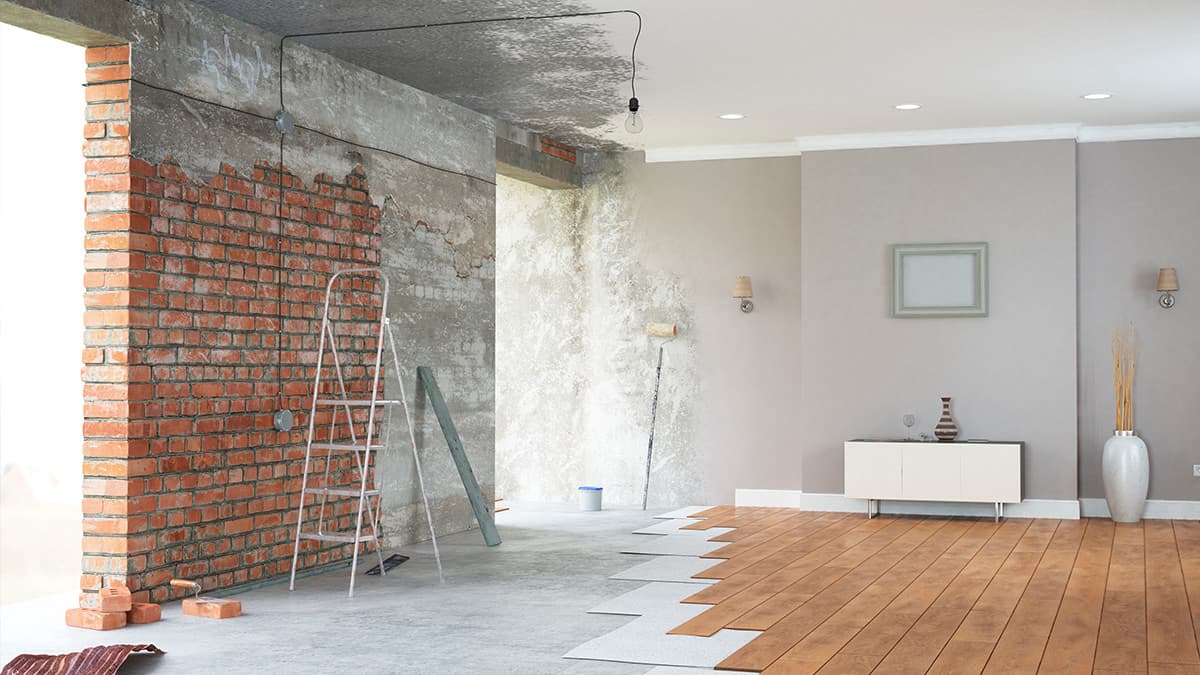
The best results usually come when the remodel has moved past heavy demolition and dusty rough work, but before the final wave of installs puts every finish at risk. In practical terms, that means interior painting should be scheduled after drywall work and major carpentry are complete, after the space has been cleaned down, and once the job sequence is stable enough that painters will not be working around constant interruptions.
Why sequencing matters on remodels
A remodel is a chain of dependent tasks. Painters do not work in isolation. Their timing depends on drywall finishing, trim readiness, cabinet schedules, flooring decisions, electrical trim-out, plumbing fixtures, and sometimes window delivery delays.
When the sequence is managed well, painters can focus on surface preparation, clean masking, proper drying time, and a consistent finish across walls, ceilings, trim, and built-ins. When the sequence is poorly managed, painting becomes fragmented. One room is ready, the next is not, and the crew keeps circling back for avoidable corrections.
That is one reason homeowners looking for interior painting in Bel Air or interior painting in Brentwood should treat the painter as part of the remodel planning conversation, not only as the last call before move-in.
The best stage for interior painting during a remodel
In most remodels, painting falls into two phases.
The first phase is primer and early coating work after drywall installation, patching, skim work, and substrate repairs are complete. This helps seal surfaces, reveal imperfections, and prepare the space for a smoother finish.
The second phase is finish painting after the dust-heavy trades are largely done and the home is ready for finish protection. At this point, flooring schedules, cabinet installs, trim details, and hardware plans should already be coordinated.
For many luxury remodels in Los Angeles, the ideal window is after drywall and millwork prep are finished, after the site is cleaned, and before the final push of electrical plates, plumbing trim, mirrors, and accessories. This allows painters to produce a more even result while reducing the chance of damage from follow-up trade traffic.
Common mistakes that create repainting and touch-up delays
One mistake is painting before the jobsite is under control. If multiple trades are still sanding, cutting, or moving large materials through tight interior spaces, fresh coatings are exposed too soon.
Another is poor scope coordination. If the painter is waiting on trim replacement, cabinet decisions, wallpaper removals, or drywall corrections, the calendar slips and the project becomes fragmented.
A third issue is underestimating prep. High-end homes often have detailed trim, custom millwork, stair components, built-ins, and varied wall textures. These surfaces need time. Rushed preparation usually leads to visible flaws, sheen inconsistency, and repeated punch-list visits.
Should painting happen before or after flooring?
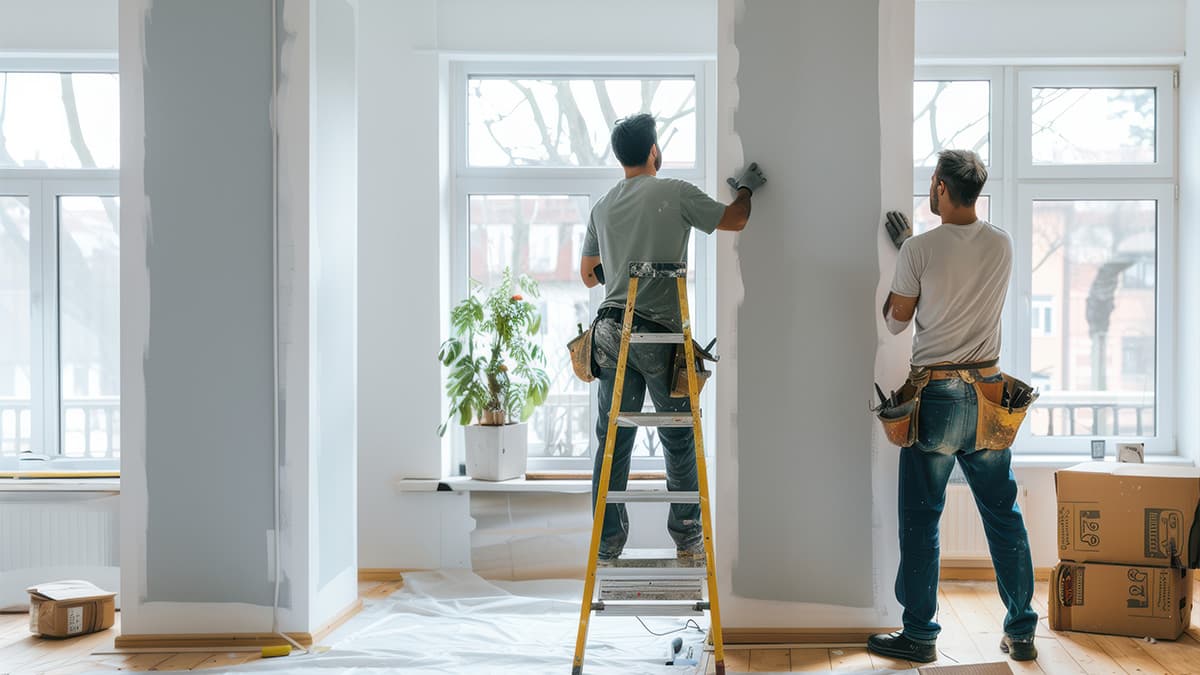
Usually, much of the interior painting happens before the final flooring goes in, especially if the project includes hardwood installation, refinishing, or other finish floors that need protection. This reduces the risk of paint reaching the finished floor and gives the painting crew more freedom during wall and trim work.
That said, every project is different. Some trim items, baseboards, final door work, or selective touchups may happen after flooring. The right sequence depends on the floor type, the protection plan, and how the contractor is staging the finish trades.
Trim, doors, and built-ins need their own plan
Trim and doors should not be treated as an afterthought. In remodel work, they often require separate scheduling because they intersect with hardware, hinges, flooring height, cabinetry alignment, and final adjustments.
Doors are often best painted or sprayed before final hanging if site conditions allow. Trim may be primed early, then finished once the surrounding work is protected and stable. Built-ins and detailed millwork often need extra curing and access planning, especially in occupied or partially occupied homes.
Low-VOC paint matters more on occupied remodels
When a family remains in the home during part of the remodel, low-VOC coating selection becomes more important. It helps reduce odor burden and supports a more manageable indoor environment while work is underway. In California, coating selection should also align with local air-quality requirements and product compliance. The California Air Resources Board architectural coatings guidance is a helpful reference for understanding low-VOC coating rules and limits.
On older homes, remodel planning should also account for lead-safe work practices where applicable. That matters most when painted surfaces will be disturbed during prep, demolition, sanding, or repair. The EPA Renovation, Repair and Painting guidance is a useful reference when planning work on older painted surfaces.
How painting contractors coordinate with other trades
A painting contractor for a home remodel should work from the real construction sequence, not from a rough guess. That means checking site readiness, reviewing surface conditions, confirming access, and aligning with the general contractor or project manager on when areas are truly ready.
On better-run projects, painters are brought in early enough to flag issues before they turn into delays. They help identify finish risks, prep needs, and protection concerns before the final schedule becomes tight.
For homeowners in Bel Air and Brentwood, this kind of coordination often makes the difference between a smooth finish stage and a remodel that drags through repeated touch-ups. Homeowners who want broader planning context can also review NARI remodeling resources for project sequencing and remodel preparation.
Quick Answers
If you are planning a remodel in Bel Air or Brentwood, request an estimate to discuss schedule timing, prep needs, and a finish plan that fits your project.