How Long Does Exterior House Painting Take in Pacific Palisades?
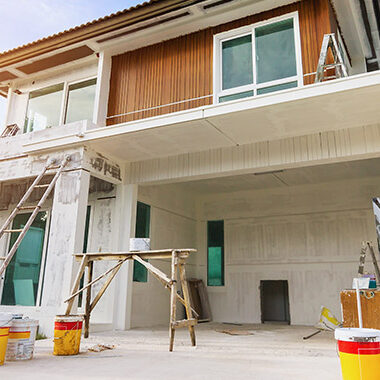
Most exterior house painting projects in Pacific Palisades take one to three working weeks after setup begins. A smaller home with sound surfaces and easy access often falls near the shorter end. Large homes, extensive repairs, detailed trim, multiple materials, scaffolding, or weather interruptions often push work past three weeks.
A site visit provides the only dependable project schedule. Square footage matters, but surface condition often has greater influence. Cleaning, scraping, sanding, repairs, caulking, priming, protection, drying time, and final inspection all affect the calendar.
Typical Exterior Painting Timeline
A straightforward professional repaint often fits within one to three working weeks. Large or repair-heavy projects often require several weeks. The following ranges offer a planning framework, not a promise for a specific property.
Many stages overlap across different elevations, so the ranges do not add together in a simple sequence. The project schedule also excludes major carpentry, remediation, construction, permit delays, and work outside the painting scope.
Seven Factors Shaping the Schedule
Home Size and Architectural Detail
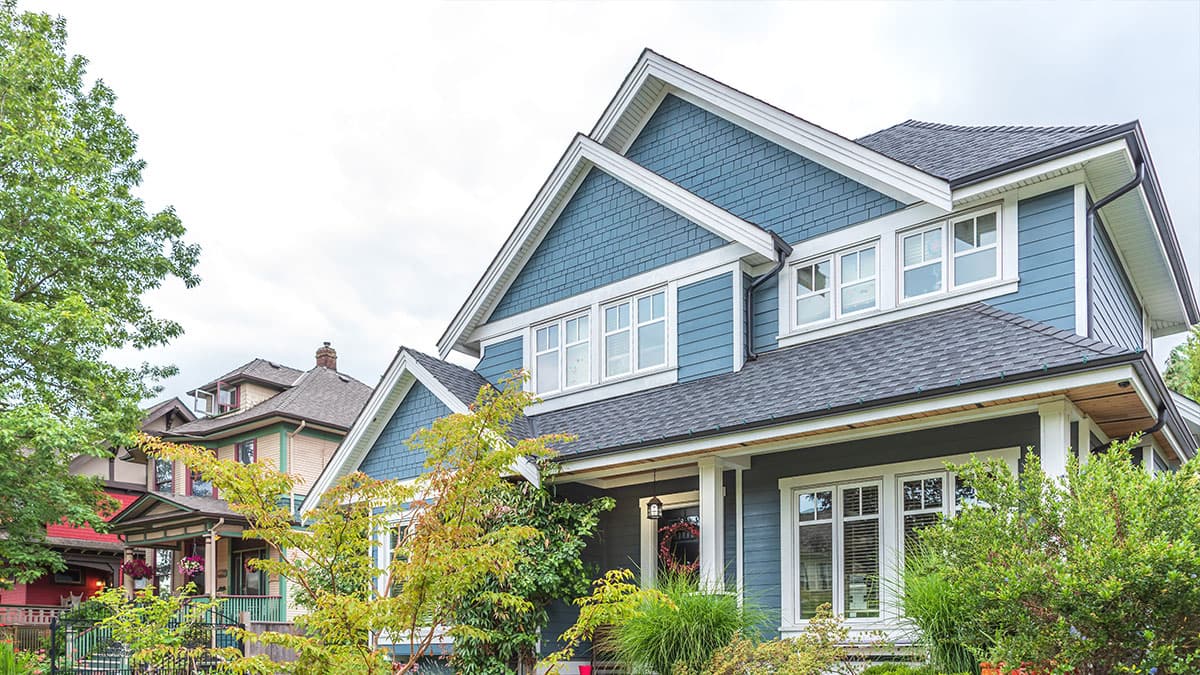
A broad stucco wall moves faster than windows, shutters, exposed beams, railings, gates, eaves, or detailed wood trim. Larger Pacific Palisades homes often include several rooflines, balconies, specialty doors, and transitions between materials. Each detail adds masking, setup, application, and inspection time.
Surface Condition
Sound paint needs less preparation than a surface with peeling, chalking, bare wood, failed sealant, moisture staining, rust, or cracked stucco. Repairs often control the schedule because the crew must stabilize each surface before primer and finish coats begin.
Homeowners who remain unsure about project timing should first review when to repaint or restore a house exterior in Pacific Palisades. Early action often keeps preparation and repair work more contained.
For example, a 3,500-square-foot stucco home with sound coatings, open access, and one body color often moves faster than a 2,500-square-foot home with peeling wood trim, several railings, steep access, and three accent colors. Area alone does not define the schedule.
Stucco Wood and Metal
Stucco, wood, and metal need different preparation and primer systems. A home with all three materials requires separate workflows. Wood needs careful scraping, sanding, patching, and caulking. Stucco needs crack review and dry repairs. Metal needs rust treatment and compatible primer. The crew must respect drying and recoat instructions for every selected product.
Height and Access
Steep grades, narrow side yards, high walls, mature landscaping, pools, glass railings, and difficult rooflines slow setup and movement. Ladders, lifts, or scaffolding require planning, safe placement, and repeated protection of nearby surfaces. Access limits affect production even when the painted area looks modest on paper.
Color Changes and Finish Standard
A major color change often needs added coats for uniform coverage. Deep colors, bright whites, high-contrast trim, and several accent colors increase cutting, masking, and inspection time. Premium homes also demand consistent sheen, sharp transitions, and close review across changing daylight.
Weather and Drying
Pacific Palisades offers many workable painting days, but coastal moisture, morning marine layers, wind, heat, and sudden air-quality concerns still affect exterior work. Painters need dry surfaces and suitable conditions throughout application and early drying. The crew should follow each coating manufacturer’s temperature, moisture, and recoat requirements.
For more local context, review our guide to salt air and exterior paint near the coast. Coastal exposure influences both preparation and future maintenance.
Household and Trade Coordination
Painting moves faster when the crew receives reliable access and other trades stay out of active work zones. Window installers, roofers, carpenters, electricians, landscapers, and pressure-washing crews need coordinated dates. Late scope changes or overlapping work often interrupt the planned sequence.
Why Preparation Often Takes Longer Than Painting
Homeowners often picture finish coats as the main job. On a durable exterior repaint, preparation often takes as much time as application, and sometimes more. Paint performs best on a clean, dry, stable, and properly primed surface.
Tilo Martin Painting’s professional exterior painting services emphasize surface preparation, protection of nearby areas, suitable primers, and an orderly jobsite. These steps support adhesion and finish quality. They also reduce avoidable touch-ups later.
Older homes need extra planning when sanding, scraping, or removal disturbs painted surfaces. The EPA Renovation Repair and Painting Program sets lead-safe requirements for covered work in many pre-1978 homes. Property age and prior lead testing belong in the pre-project discussion.
Working Days and Calendar Days
A ten-workday project rarely finishes within ten consecutive calendar days. Weekends, surface drying, weather, product recoat intervals, inspections, and approved changes extend the calendar. A contractor should explain both the estimated working duration and the expected completion window.
The crew also works in sections. While one elevation dries, painters often prepare another area. This sequence keeps work moving without rushing drying time or reopening finished surfaces.
Repaints Repairs and Rebuilds Follow Different Timelines
A maintenance repaint starts with an existing structure and known surfaces. A repair project adds carpentry, stucco work, waterproofing corrections, or replacement materials. A rebuild depends on broader construction milestones, substrate readiness, and coordination with several trades.
For a home moving through repair or rebuilding after the January 2025 Palisades Fire, a one-to-three-week repaint range does not describe the full project. The painter should enter planning early, then confirm the final painting schedule after exterior materials, moisture conditions, and preceding trades reach the required stage.
How Homeowners Support an Efficient Project
Good preparation does not mean doing the painter’s work. Homeowners help most by confirming access, moving vehicles, securing pets, turning off irrigation near painted surfaces, removing fragile outdoor items, and identifying alarm, gate, HOA, parking, or neighbor requirements before the start date.
Our professional paint crew preparation guide provides a full checklist for household access, exterior items, landscaping, pets, and daily communication.
What a Reliable Painting Schedule Should Include
Before work starts, ask for a schedule discussion covering the following points:
- Estimated start date and completion window
- Scope of washing, scraping, sanding, caulking, patching, and priming
- Repairs included in the painting proposal and repairs assigned to another trade
- Sequence for elevations, doors, windows, trim, railings, and specialty surfaces
- Daily work hours, access plan, equipment placement, and cleanup expectations
- Weather policy and communication process for schedule changes
- Color and finish approval deadline
- Final inspection, touch-up process, and project closeout
A detailed schedule protects both the homeowner and the painting contractor. It also keeps finish decisions, access, repairs, and trade responsibilities from becoming last-minute surprises.
Frequently Asked Questions
Plan Your Pacific Palisades Exterior Painting Project
The most accurate schedule starts with an on-site review. Tilo Martin Painting has more than 25 years of experience with high-end homes and provides exterior painting in Pacific Palisades with detailed preparation, professional crews, and careful project management.
If you are planning an exterior repaint, request a painting estimate to review the surfaces, access, repairs, coating system, and expected schedule for your home.